

Projects Galaxy
Our Projects










Inception Workshop
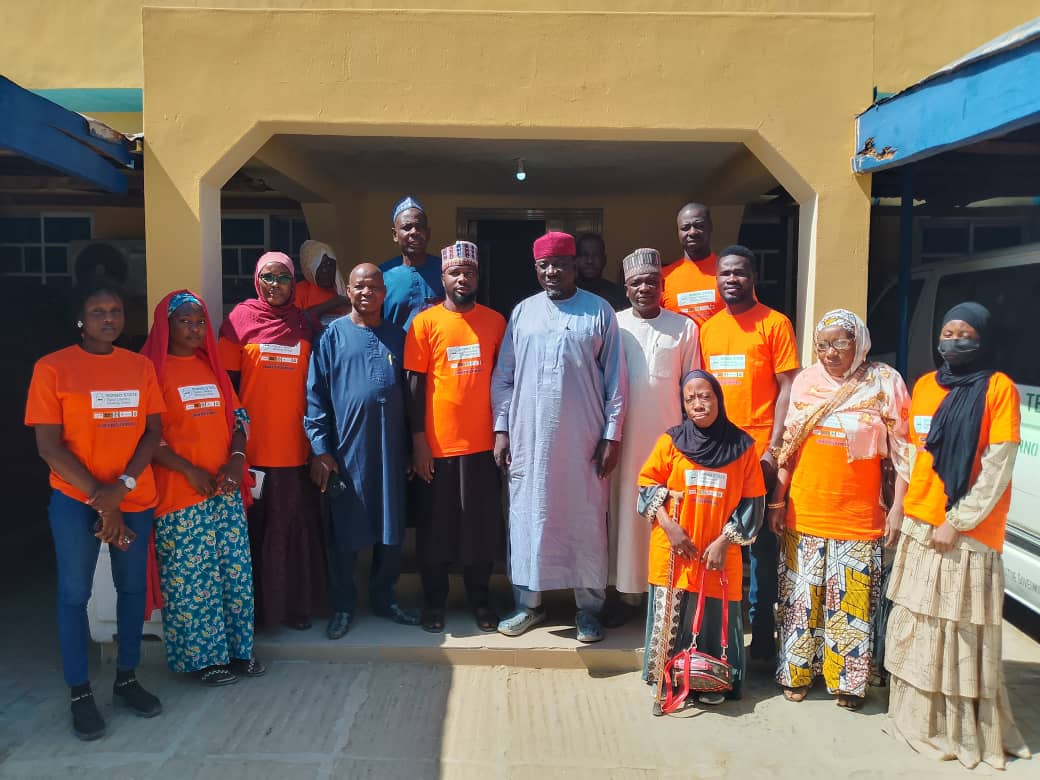
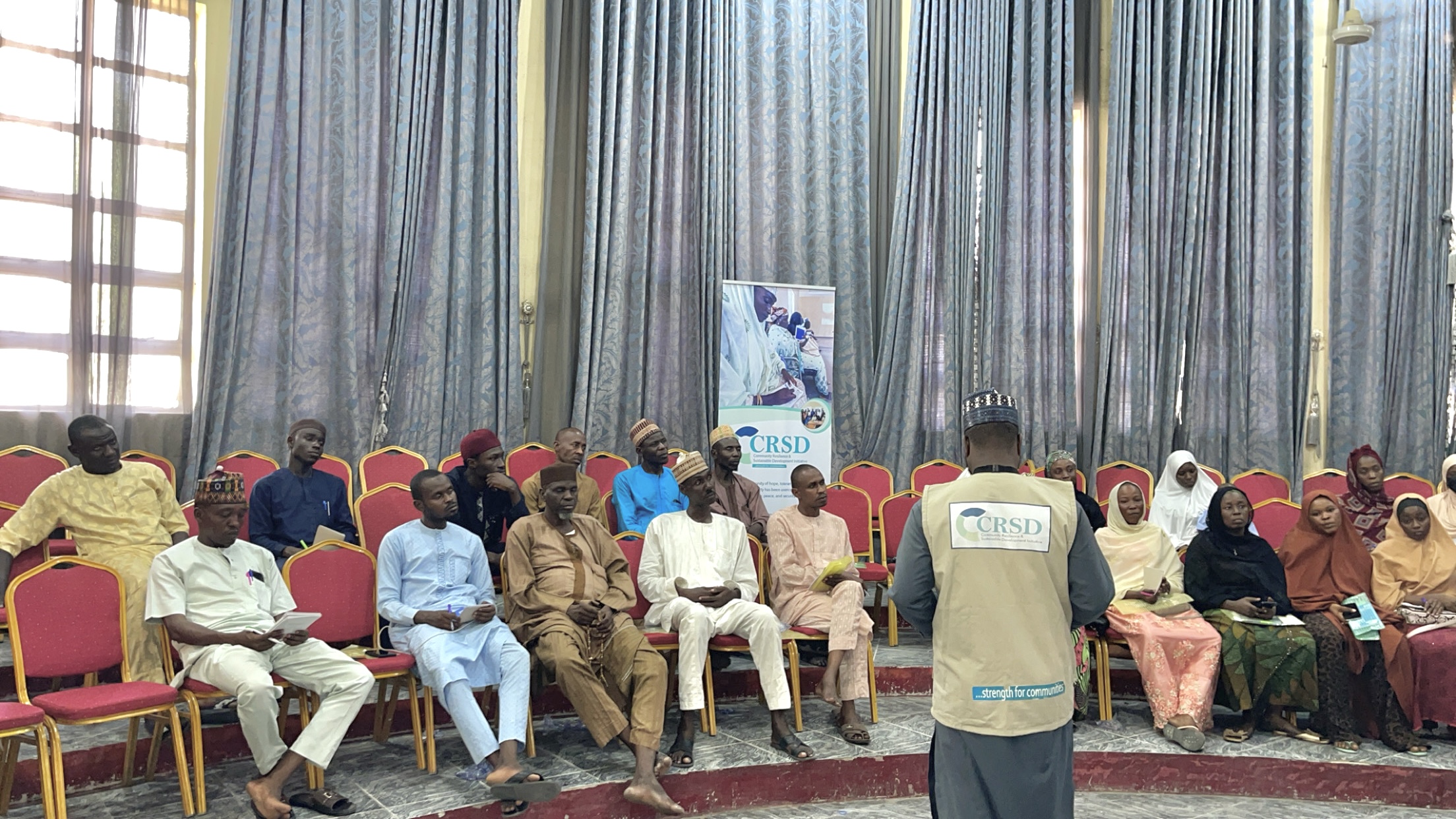
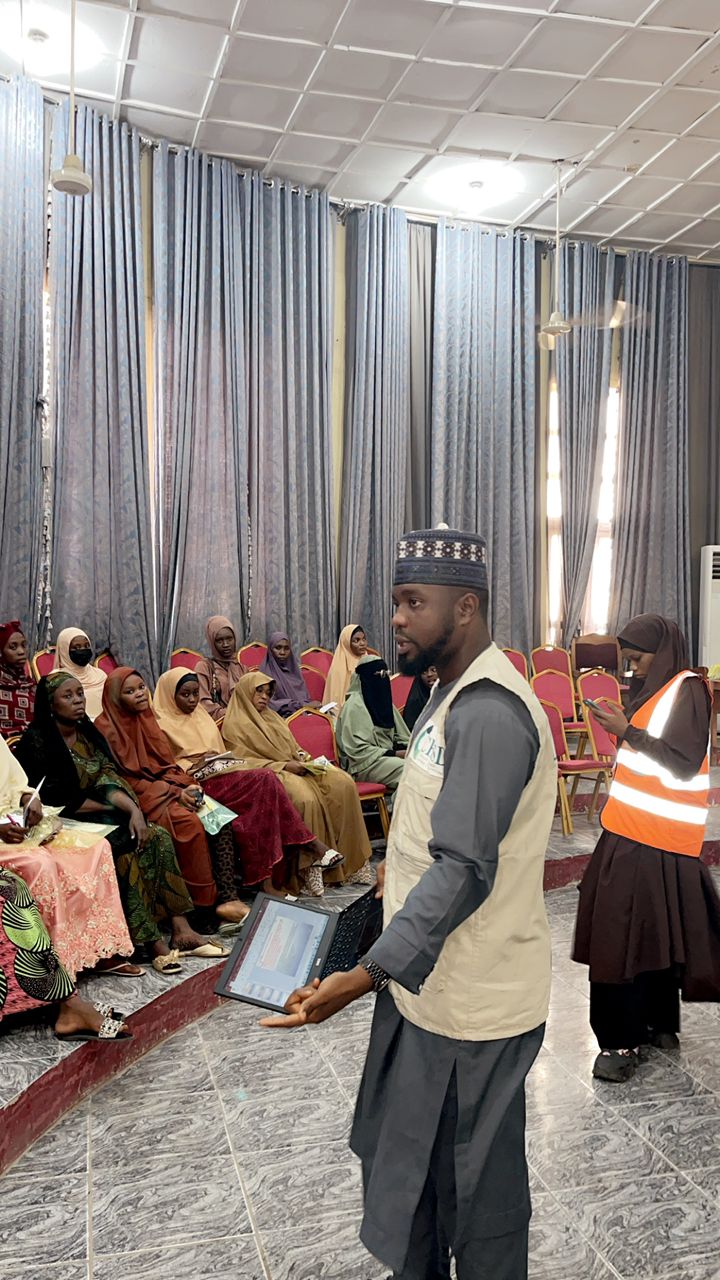
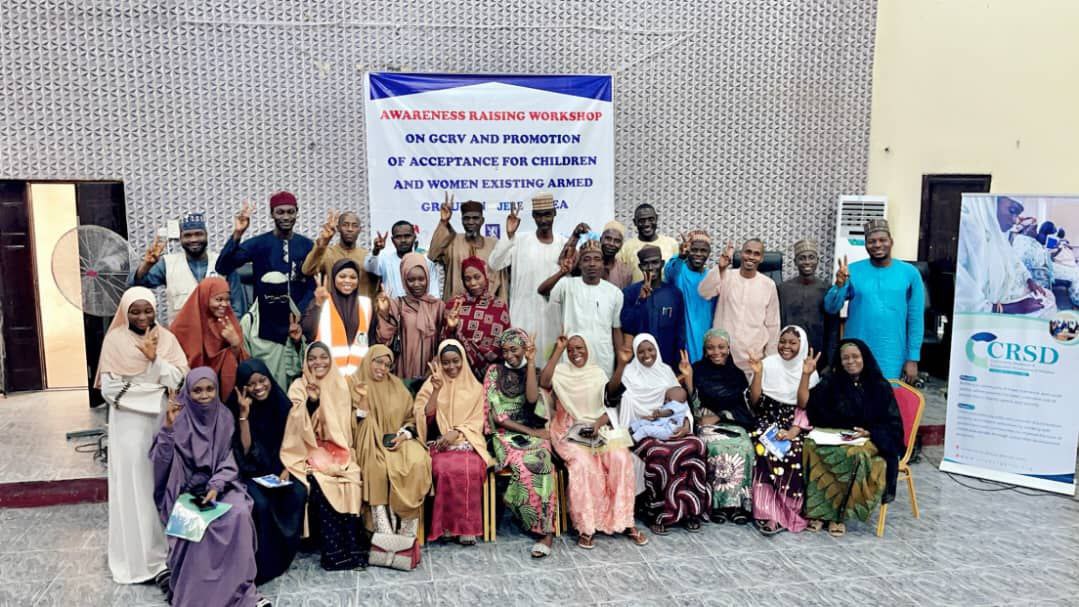
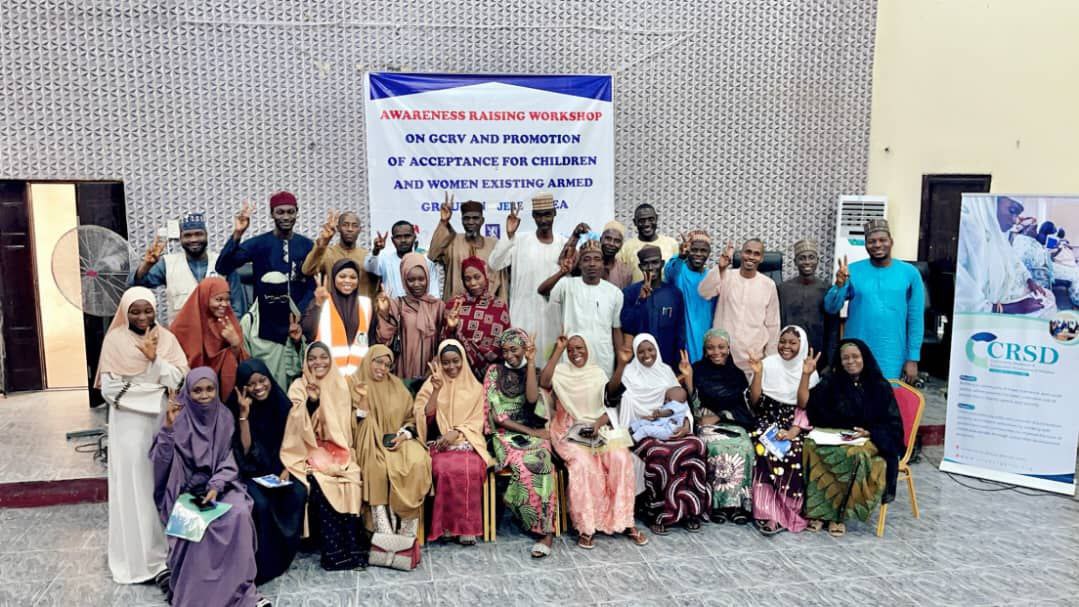
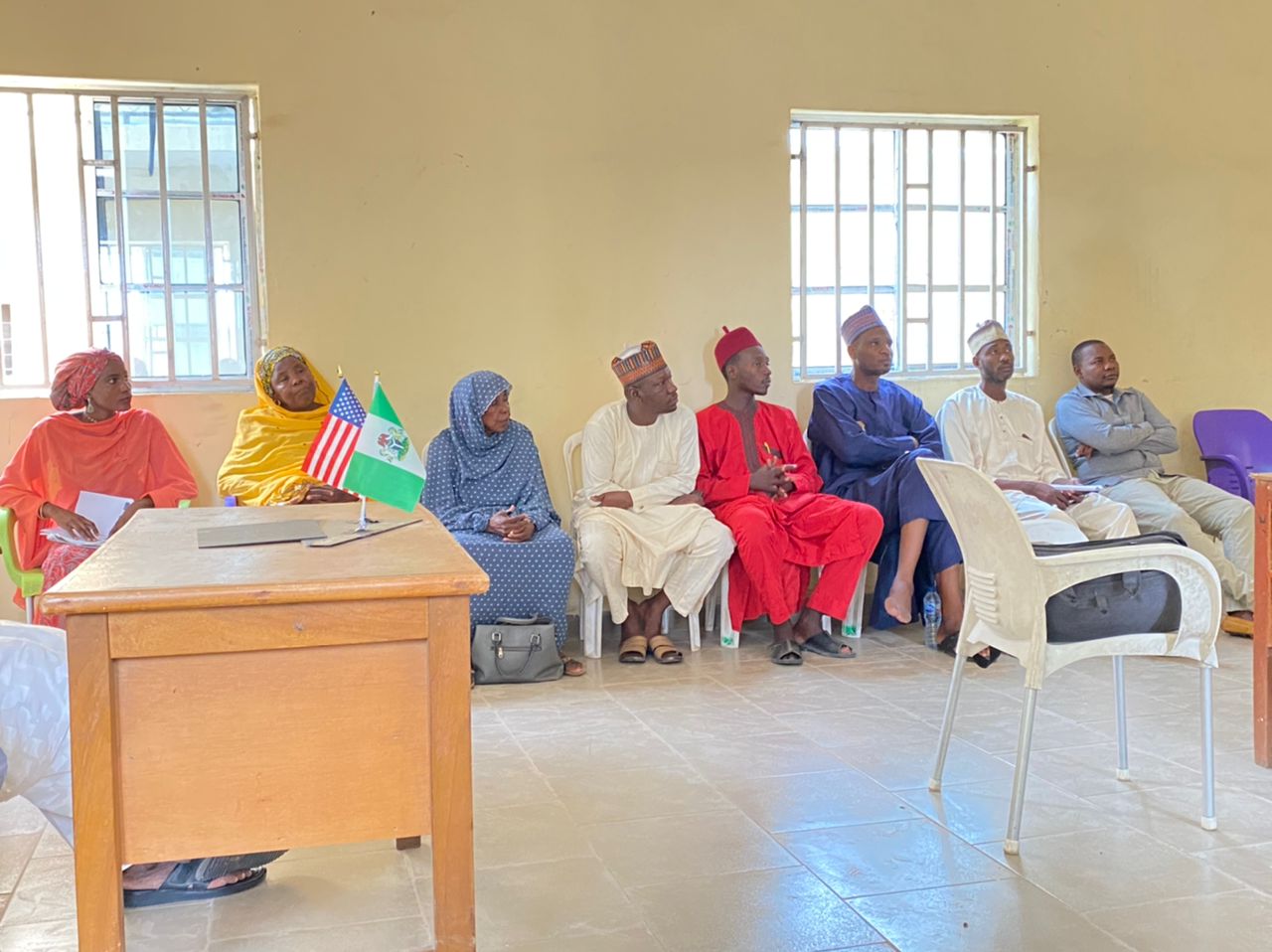
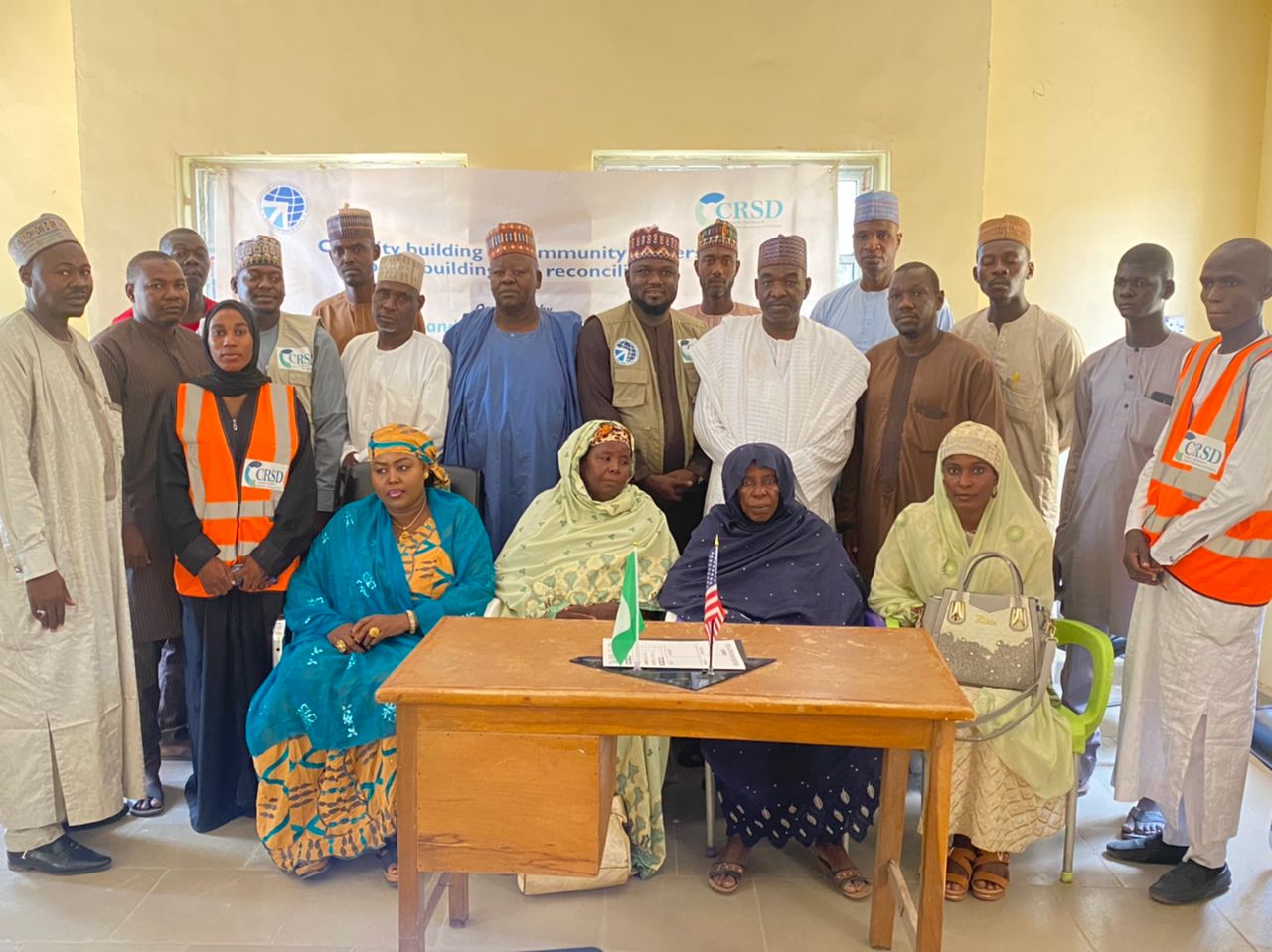
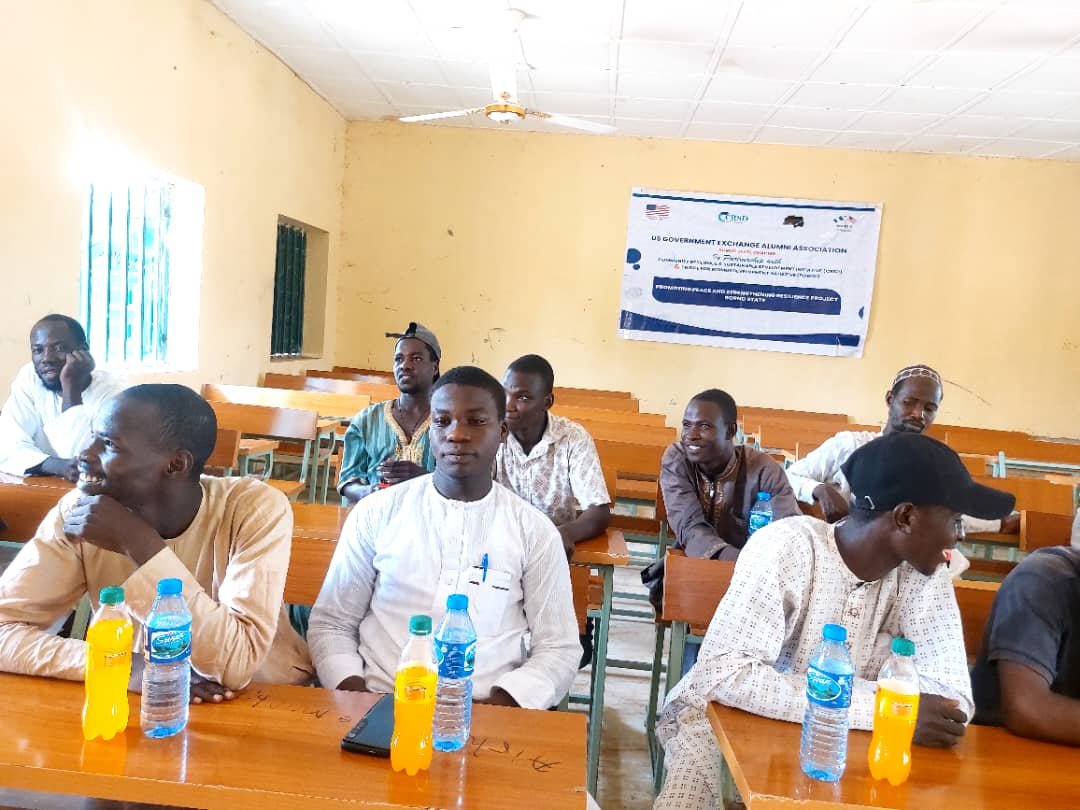
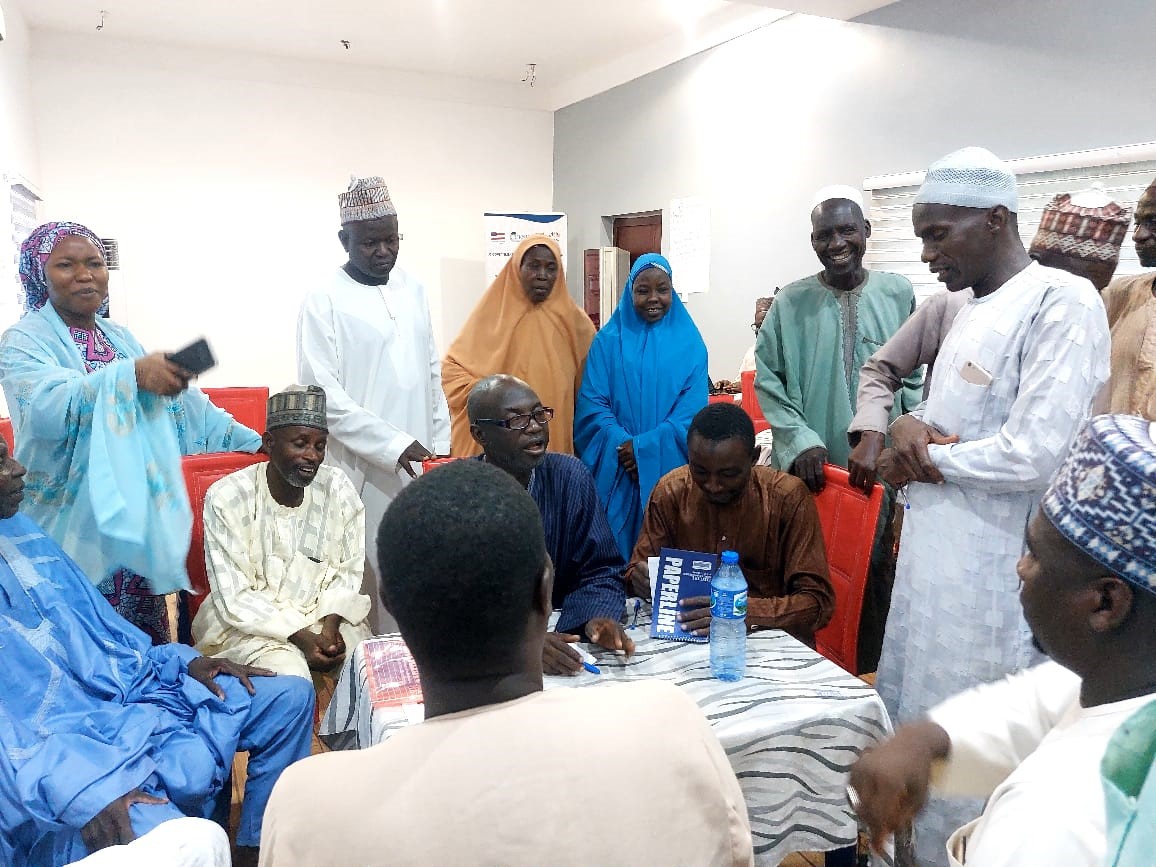
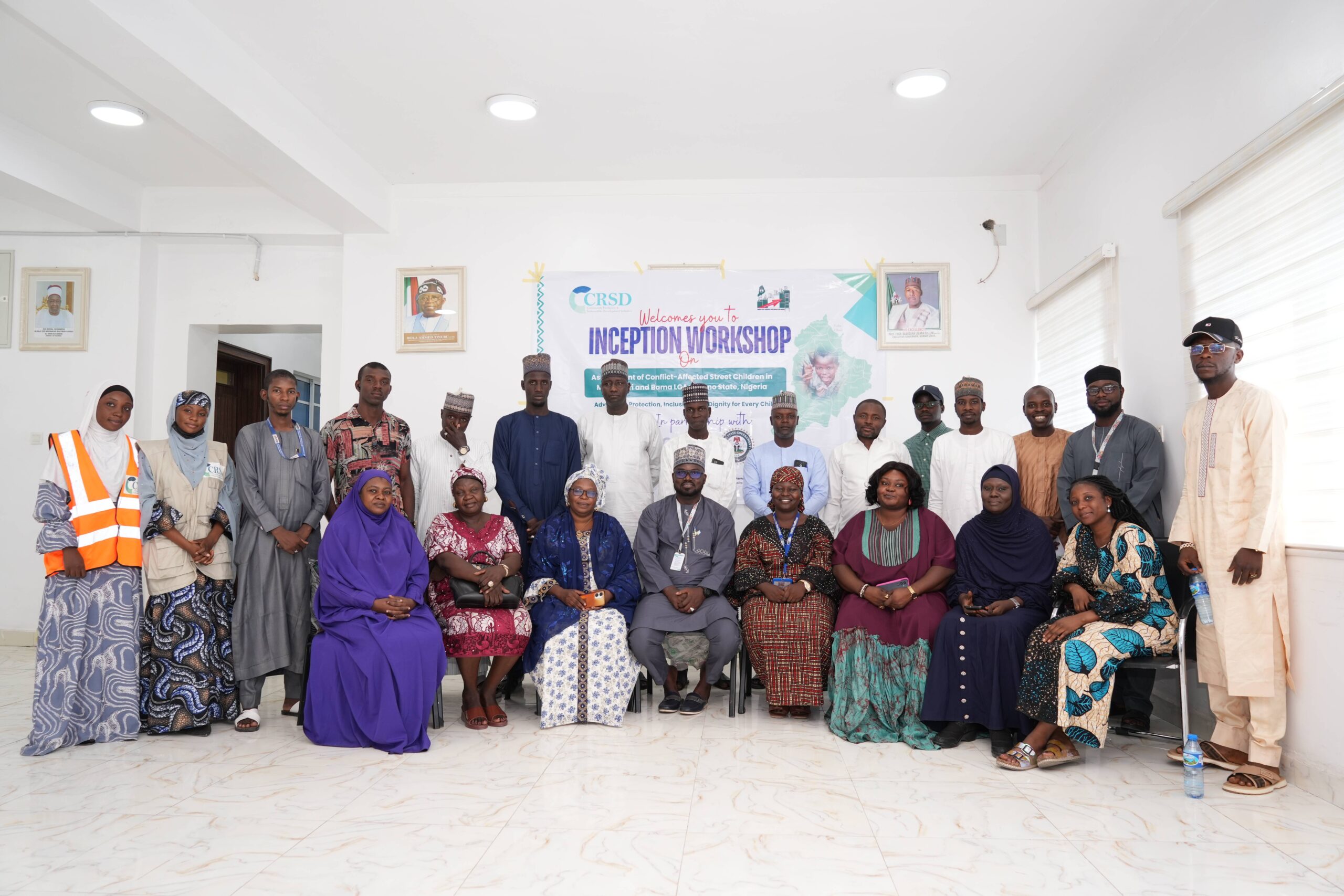
To address critical protection risks for street-connected children in Northeast Nigeria, CRSD convened a high-level multi-stakeholder research inception workshop in Maiduguri.
Inception workshop
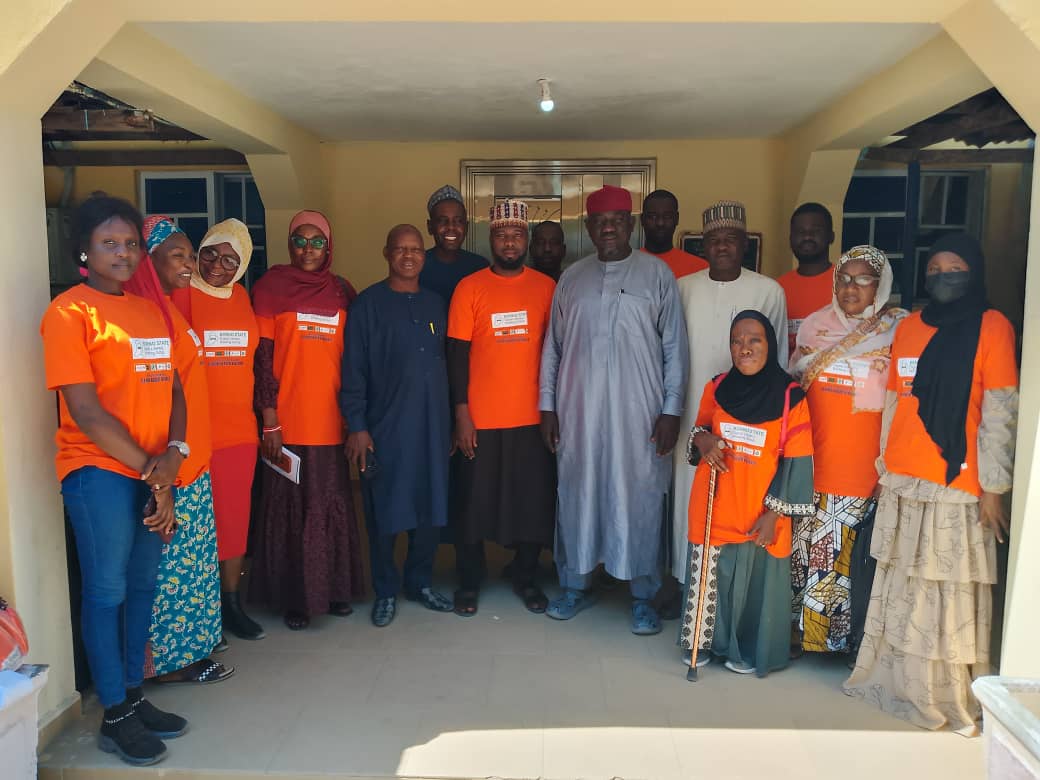
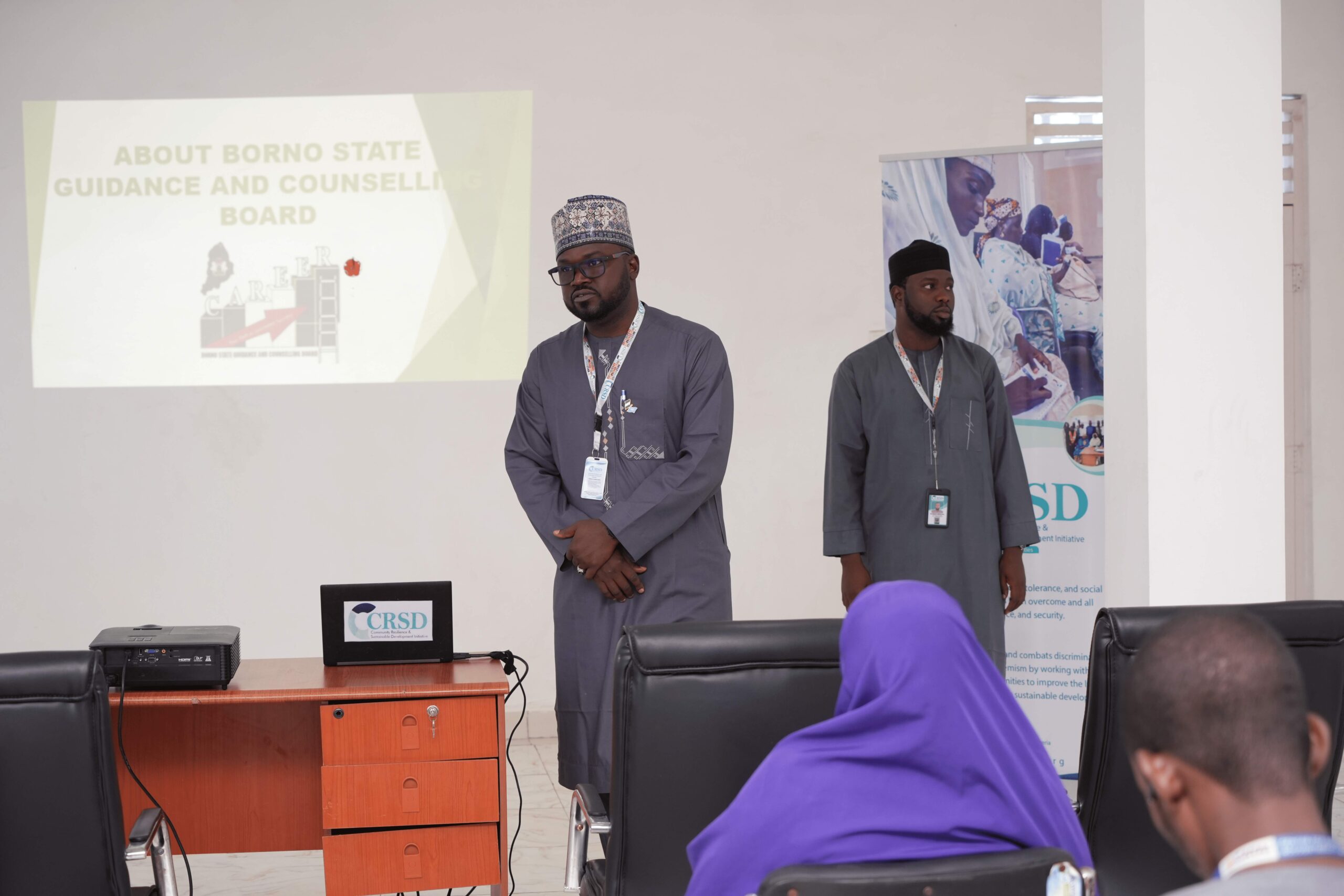
The aftermath of prolonged conflict, street-connected children in Northeast Nigeria face profound systemic invisibility, navigating complex survival strategies amidst severe protection risks and a lack of parental care. Recognizing the urgent need for disaggregated, ethically sound data to inform inclusive child protection and reintegration frameworks, the Community Resilience and Sustainable Development Initiative (CRSD), in strategic collaboration with the Borno State Guidance and Counselling Board (BSGCB) and the Crest Research and Development Institute (CRADI), convened a high-level multi-stakeholder research inception workshop in Maiduguri.
The primary objective of this initiative was to bridge humanitarian, government, and community perspectives, ensuring that upcoming interventions are grounded in rigorous, context-specific evidence. The workshop provided a comprehensive overview of the study’s design, targeting four distinct and highly vulnerable locations: Bulabulin Ngarannam, Kawar Maila, Bama Dina, and Hausari. Utilizing a robust mixed-methods approach, the assessment will combine quantitative household surveys with qualitative Focus Group Discussions (FGDs) and Key Informant Interviews (KIIs). This methodology is specifically designed to assess the socio-demographic profiles, survival strategies, protection risks, and access to essential services among conflict-affected street children, ensuring the research aligns seamlessly with both state priorities and international child protection standards.
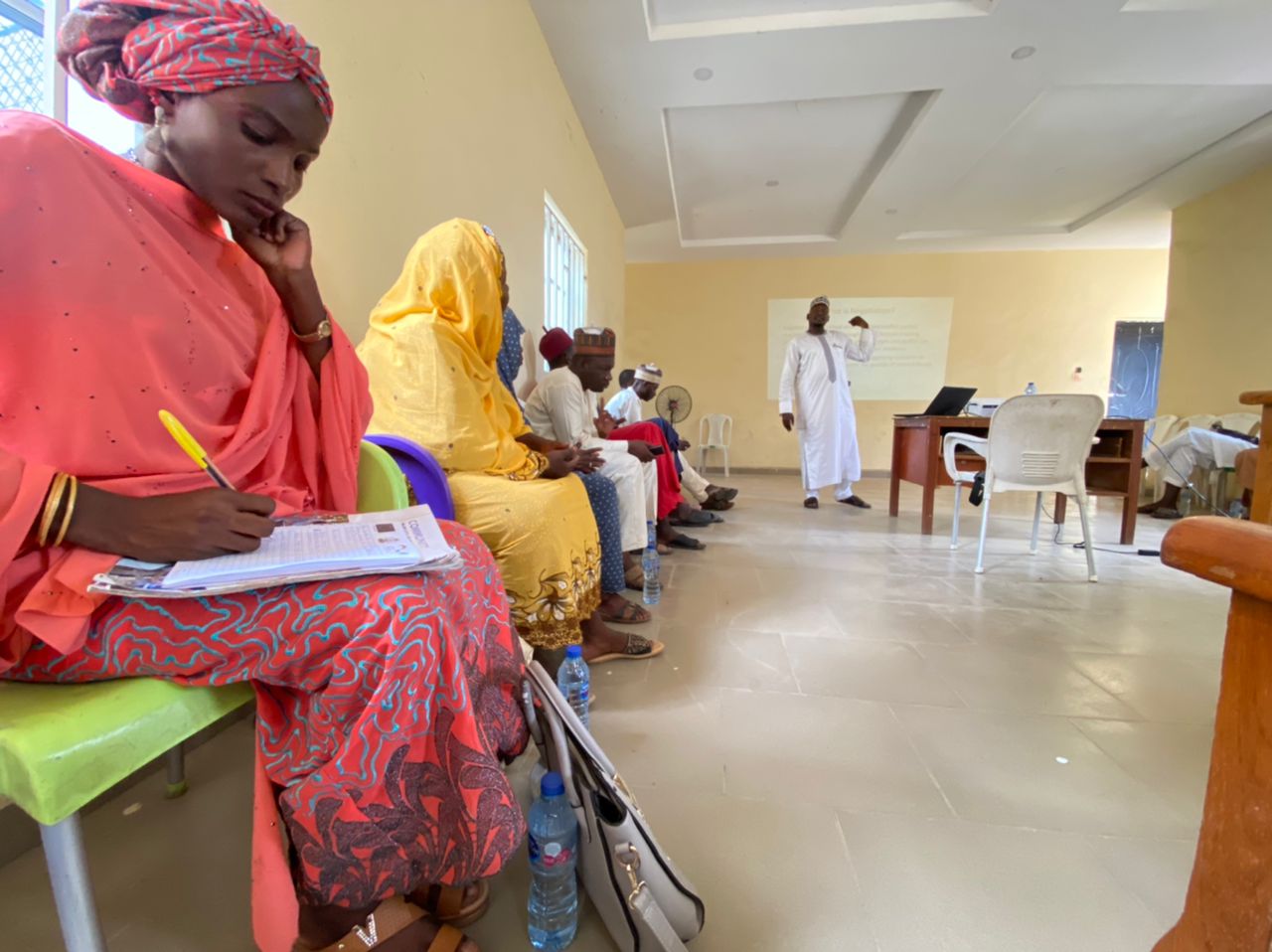
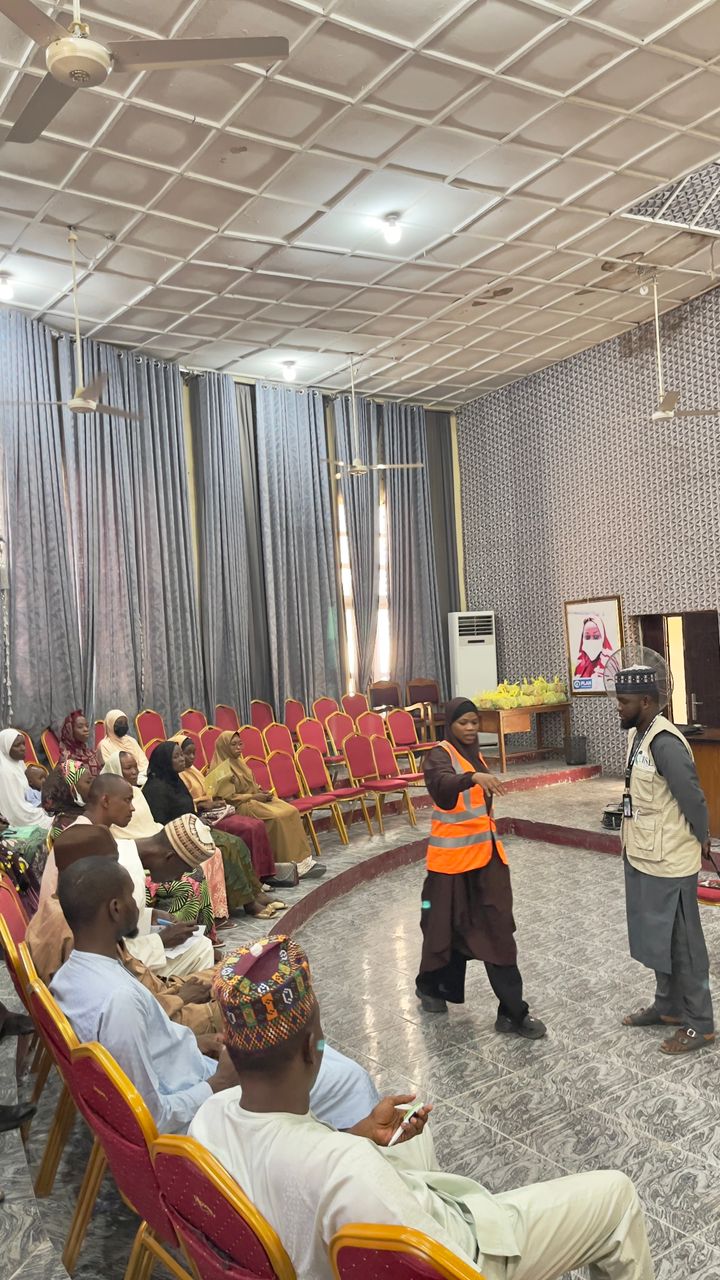
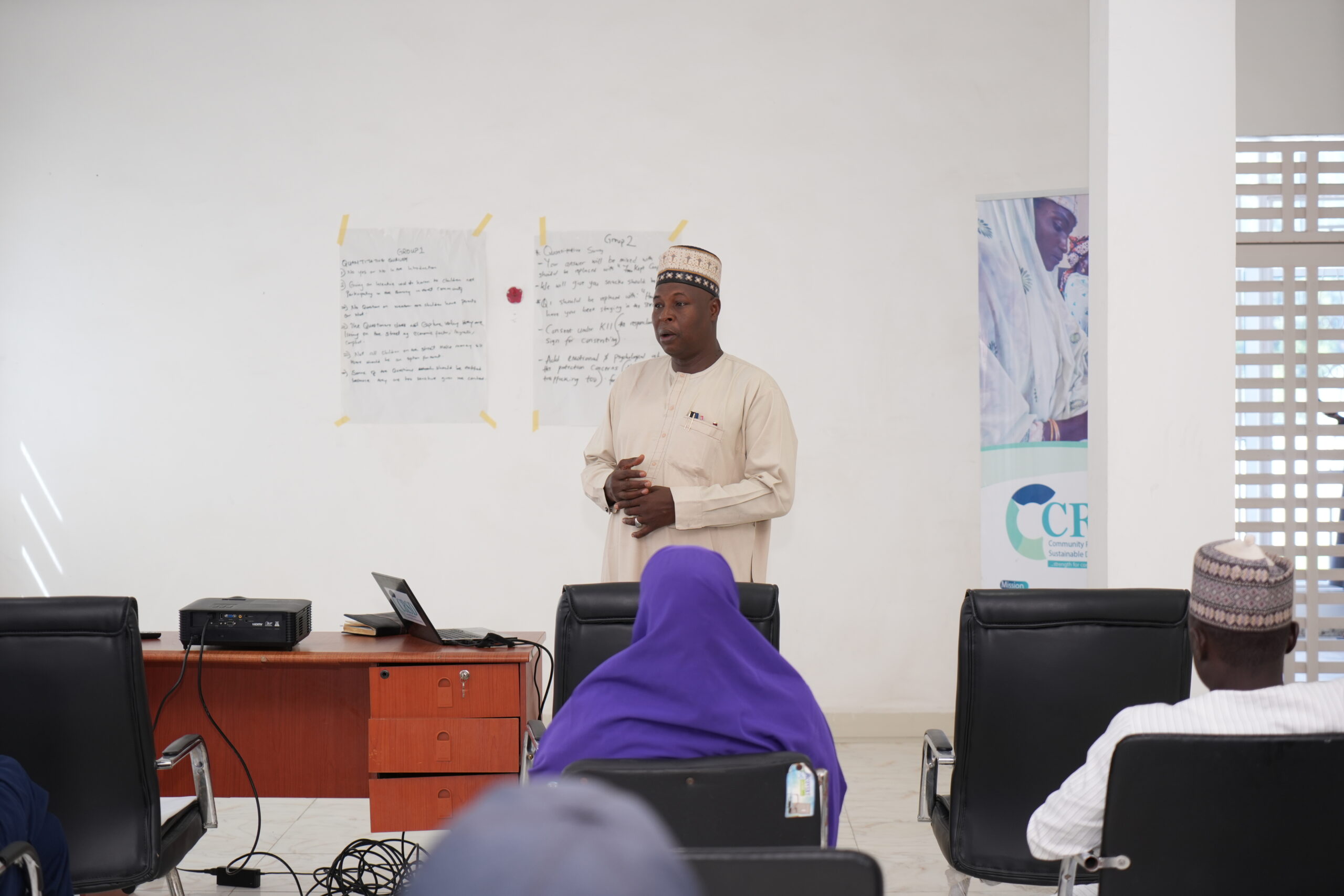
Moving beyond mere presentation, the workshop featured a highly participatory segment where attendees were divided into working groups to rigorously review and refine the draft quantitative and qualitative research instruments. Stakeholders provided critical, actionable feedback to enhance the contextual appropriateness and ethical sensitivity of the tools. This included rewording highly sensitive questions and expanding the inquiry into the deep-rooted causes of street involvement, such as family rejection, extreme economic hardship, and the lingering stigma of post-captivity. These real-time refinements ensured that the data collection process would be both ethically sound and capable of capturing the nuanced, lived realities of these vulnerable children.
The collaborative effort successfully secured strong stakeholder buy-in, formally embedding the research within Borno State’s broader child protection architecture and strengthening the prospects for the uptake of its findings. By ensuring that the research design is deeply rooted in community realities and government mandates, the inception workshop laid a solid foundation for evidence-based programming. Future directions include the seamless rollout of the refined data collection tools, the continuous integration of government and community actors throughout the research lifecycle, and the ultimate translation of these critical insights into scalable, life-saving reintegration frameworks for street-connected children across the region.
Validation Workshop
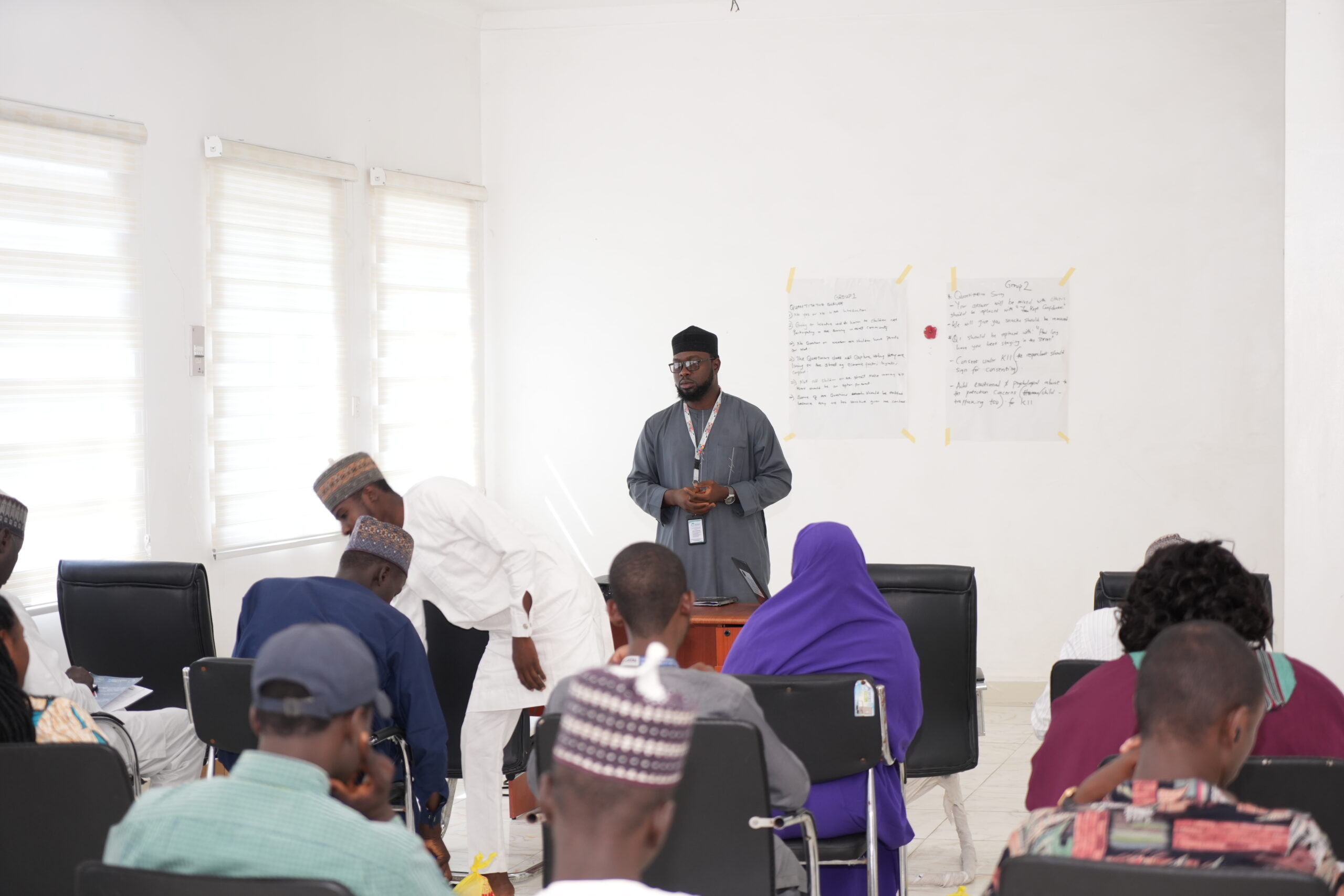
To ensure sustainable, life-saving responses, CRSD and partners convened a high-level multi-stakeholder validation workshop in Maiduguri to rigorously review field findings from conflict-affected children.
Inception workshop
Prolonged conflict in Northeast Nigeria severely amplifies the vulnerabilities of children, increasing their exposure to educational disruption, psychosocial trauma, and critical protection risks. Recognizing that sustainable, life-saving responses require accurate, ground-truth data, the Community Resilience and Sustainable Development Initiative (CRSD), in strategic collaboration with the Crest Research and Development Initiative (CRADI) and the Borno State Guidance and Counselling Board (BSGCB), convened a high-level multi-stakeholder validation workshop in Maiduguri. The initiative was designed to rigorously review, critique, and validate the preliminary field findings from a comprehensive assessment of conflict-affected children in the Maiduguri and Bama Local Government Areas (LGAs).
During the intensive session, stakeholders across the humanitarian-development nexus emphasized that data validation is not a mere formality, but an ethical imperative. The assessment, which utilized a mixed-methods approach combining household surveys, Focus Group Discussions, and Key Informant Interviews, mapped protection risks across two distinct environments: the strained urban and peri-urban IDP host communities of Maiduguri, and the complex, deep-field return contexts of Bama. The findings presented a sobering picture of compounding challenges, highlighting severe educational disruptions, a critical deficit in Mental Health and Psychosocial Support (MHPSS) services, heightened child protection risks such as exploitation and gender-based violence, and deep household economic insecurities driving negative coping mechanisms.
Through interactive plenary sessions, government officials, civil society actors, and community representatives scrutinized these findings against their grassroots realities, transforming raw data into a strategic roadmap for action. The collaborative effort yielded critical, validated recommendations, including the revitalization of Community-Based Child Protection Systems (CBCPS), the integration of traditional and religious leaders to shift harmful social norms, and the scaling up of decentralized, trauma-informed psychosocial support through community-led task shifting and Psychological First Aid (PFA).
Crucially, the stakeholders championed a holistic approach to education and livelihoods, advocating for a dual-track model that accelerates formal schooling for younger children while providing vocational training and “starter kits” for out-of-school adolescents to ensure a smooth transition to economic self-reliance. Moving forward, CRSD and its partners are committed to embedding these validated insights into the final assessment report to directly influence resource allocation, policy design, and field interventions. Future directions include mainstreaming these community-driven child protection strategies into regional governance, expanding task-shifting models for localized mental health support, and linking beneficiary households to state and federal social protection programs to ensure long-term resilience and sustainable impact beyond the lifecycle of primary NGO interventions.
Dessimination Workshop
Marking the culmination of this vital research journey, CRSD convened a comprehensive virtual dissemination workshop bringing together experts and leaders to chart the course for evidence-based intervention.
Inception workshop
For months, a critical research initiative has sought to illuminate the hidden realities of street-connected children in Northeast Nigeria, navigating profound systemic invisibility, complex survival strategies, and severe protection risks. To mark the culmination of this vital journey, the Community Resilience and Sustainable Development Initiative (CRSD), in strategic collaboration with the Borno State Guidance and Counselling Board (BSGCB) and the Crest Research and Development Institute (CRADI), convened a comprehensive virtual dissemination workshop. This online gathering brought together a diverse coalition of government officials, humanitarian actors, child protection experts, and community leaders to review the final findings and chart the course for evidence-based intervention.
Leveraging a secure online platform, the workshop transcended geographical and security barriers, allowing for an expansive, multi-sectoral dialogue that united stakeholders from across the humanitarian-development nexus. During the session, the research consortium presented the finalized assessment, officially announcing that the comprehensive report is now fully refined and ready for publication. Building upon the rigorous mixed-methods data collected across Bulabulin Ngarannam, Kawar Maila, Bama Dina, and Hausari, the final document provides an unflinching, data-driven look into the socio-demographic profiles, survival mechanisms, and acute vulnerabilities of these children. It deeply explores the root causes of street involvement, highlighting the devastating impacts of extreme economic hardship, family rejection, and the lingering stigma of post-captivity.
The virtual dissemination was not merely a presentation of data, but a strategic call to action. Building on the collaborative spirit that defined the earlier inception and validation phases, stakeholders engaged in robust discussions on how to translate these empirical findings into tangible policy shifts and field programming. Participants emphasized the urgent need to integrate these insights into Borno State’s broader child protection architecture, advocating for inclusive reintegration frameworks that address both the immediate protection risks and the long-term psychosocial and economic needs of the children. The consensus was clear: protecting these vulnerable children requires moving beyond reactionary aid toward proactive, systemic solutions that restore their dignity and secure their futures.
With the final report now cleared for publication and wide dissemination, CRSD and its partners are poised to launch a targeted advocacy campaign to ensure the findings reach the desks of key policymakers, donors, and implementing agencies. Future directions include utilizing the report to design scalable, trauma-informed reintegration programs, strengthening community-based protection mechanisms, and advocating for the inclusion of street-connected children in state social protection frameworks. By transforming raw data into a powerful catalyst for change, this initiative ensures that the voices of Northeast Nigeria’s most marginalized children are no longer ignored, but actively heard, understood, and acted upon.
Project Alert:
CRSD in Partnership with the Borno State Ministry of Education, Science and Technology, and the State Agency for Mass Education Launches Nonformal Education for 300 Out-of-school Children
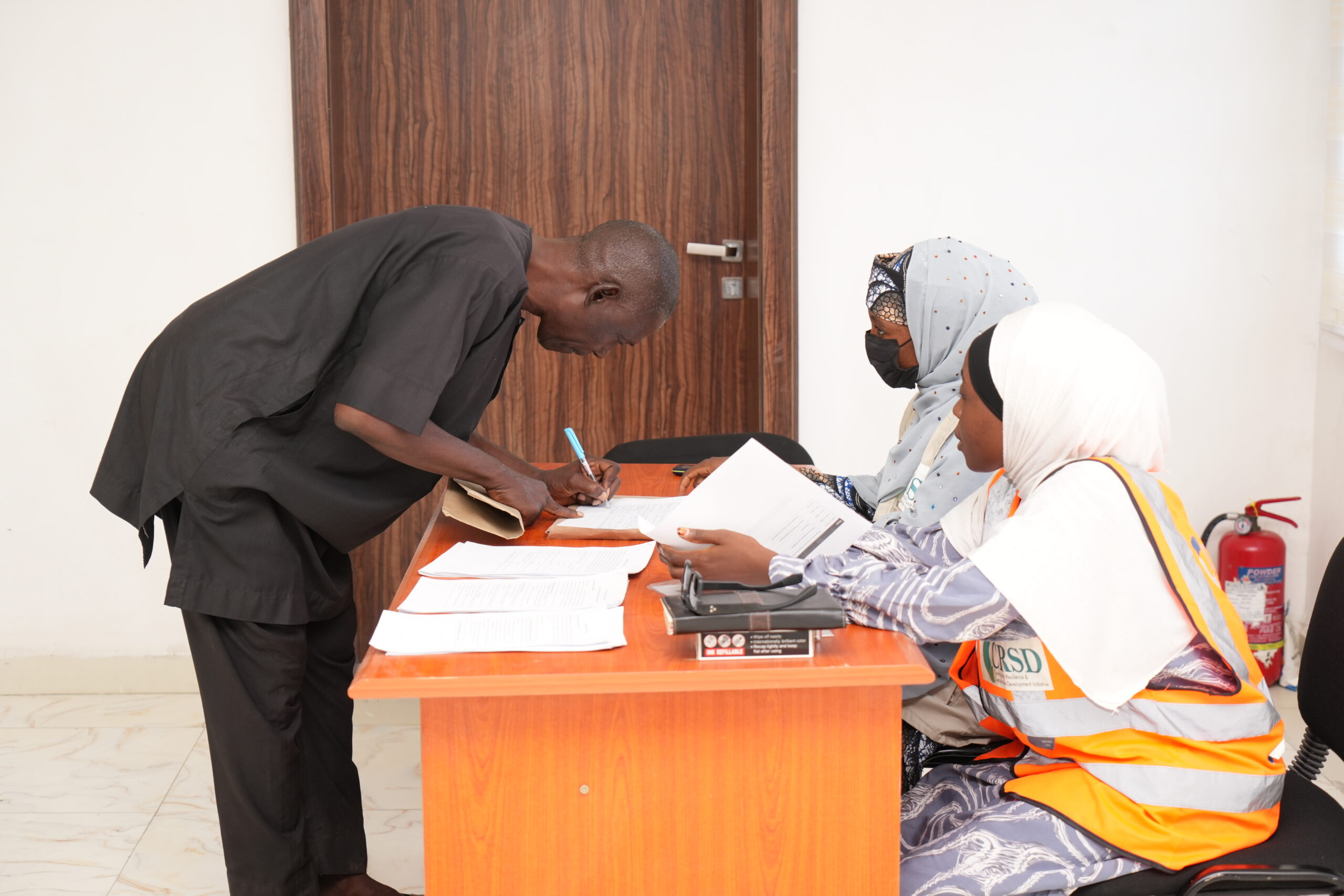
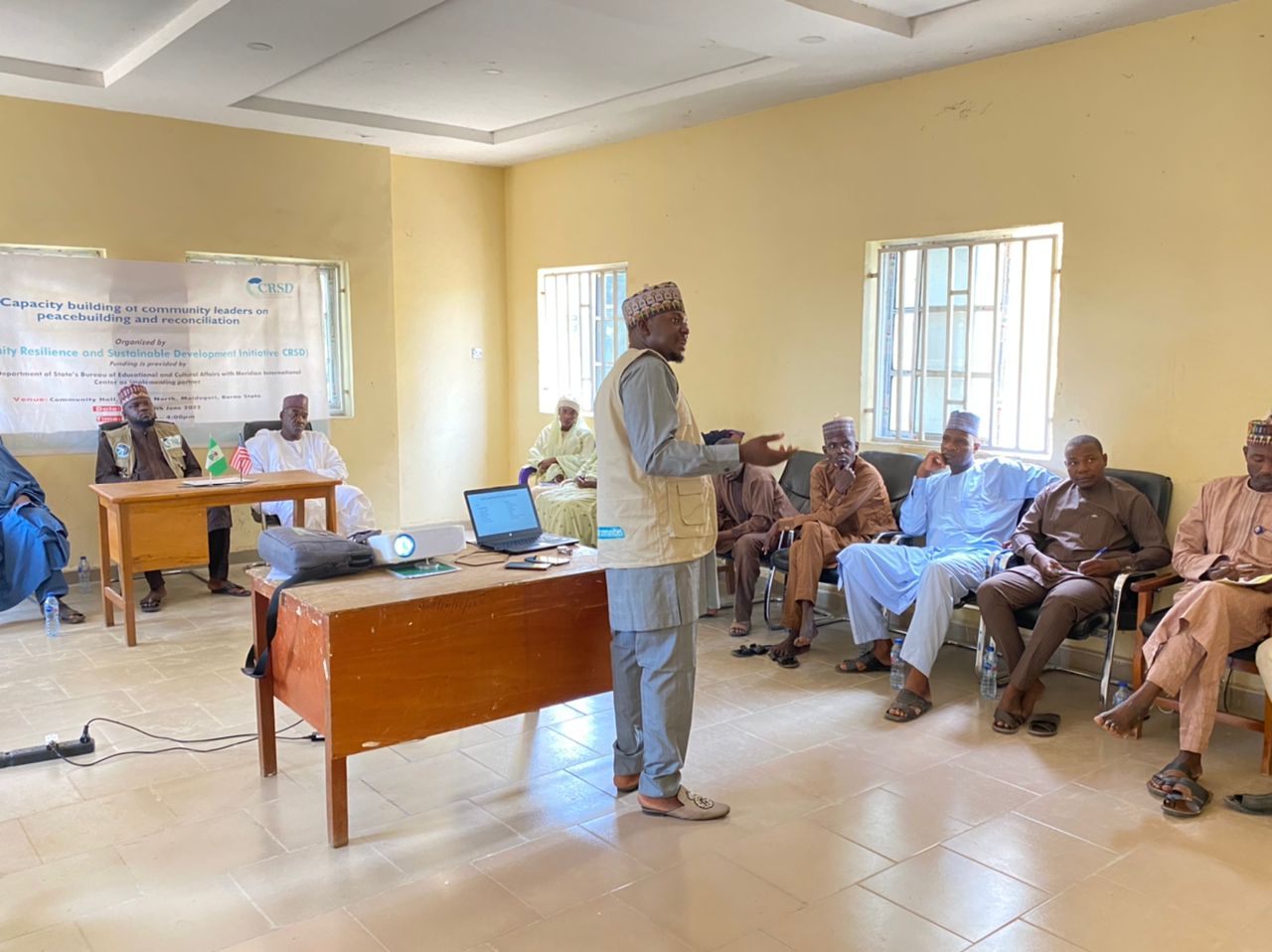
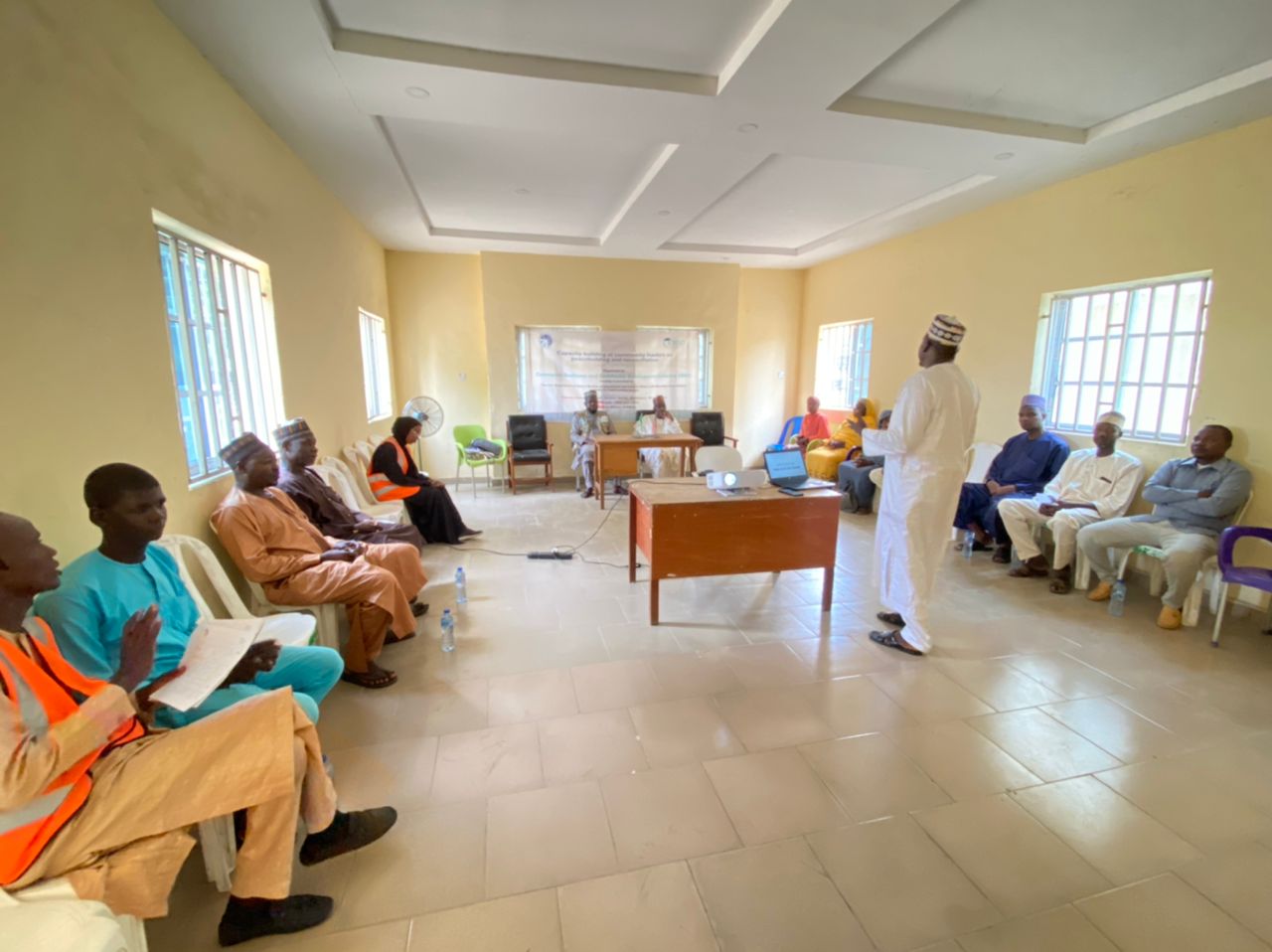
Research is only as powerful as the action it inspires. Following the critical findings from our recent comprehensive assessment on the educational disruption and vulnerabilities of out-of-school and street-connected children in Borno State, the Community Resilience and Sustainable Development Initiative (CRSD) is moving swiftly from evidence to intervention. In a strategic, high-impact collaboration with the Borno State Ministry of Education (MoE) and the State Agency for Mass Education (SAME), CRSD has officially commenced non-formal education classes aimed at rescuing vulnerable children from the streets and reintegrating them into the learning ecosystem.
The research clearly identified specific hotspots with the highest concentrations of out-of-school children (OOSC) and severe educational deficits. In direct response, this intervention is being rolled out across three highly vulnerable locations:
- Hajj Camp
- Bulabulin Diyabe
- Dala Lawanti
Through this joint initiative, we are targeting 300 out-of-school children, providing them with immediate access to a safe, structured, and nurturing non-formal learning environment.
However, this non-formal education program is not just a temporary fix; it is a critical bridge. The curriculum is carefully designed to accelerate their foundational literacy and numeracy while also integrating vital psychosocial support to help them heal from conflict-induced trauma.
The true success of this project lies in its exit strategy. The ultimate objective is to successfully assess, prepare, and mainstream these 300 children into the formal education system. By equipping them with the necessary academic foundations and psychological readiness, we are ensuring a smooth transition into mainstream government schools, where they can continue their educational journey with long-term support. This rapid response would not be possible without the unwavering commitment of our government partners. By aligning CRSD’s grassroots research and community mobilization with the statutory mandates and structural support of the Borno State Ministry of Education and SAME, we are ensuring that our interventions are sustainable, government-backed, and deeply impactful. By leveraging data to drive action, CRSD is ensuring that the systemic invisibility of these children is replaced with visible, life-changing opportunities.
We are not just teaching them; we are restoring their futures.